Baidu Apollo and Huaneng Yimin Coal and Power Company

China AV Newsletter | October 2021

The chip shortage drives automakers to take control, following Xpeng announcement earlier this year, Geely announced its vehicle-grade 7nm smart cockpit chip. In addition, the local leader in this space, Horizon Robotics, consider changing its IPO from NASDAQ to Hong Kong, as the tension between the two mega powers continues. Large autonomous vehicles at taking the front of this edition: Mining trucks by Baidu, RoboBus by Qcraft and long-haul trucks by Plus.ai.

Oct.5th: WM Motor announced that the company is expecting to raise over USD 300 million in its Series D1, led by PCCW Limited and Shun Tak Holdings Limited. The company expects more financing to come in a Series D2 from additional global investors, amounting to an approximate amount of USD 500 million. According to Freeman H. Shen, CEO of WM Motor, the proceeds will go into EV technology research.

Oct.8th: Chinese AI chip startup Horizon Robotics is considering moving its initial public offering (IPO) from the US to Hong Kong, a move that comes as Chinese government improves its regulatory regime for companies listing abroad. Horizon Robotics is examining the possibility of listing in Hong Kong as early as next year. Horizon Robotics had previously been considering a US listing, possibly raising up to $1 billion through a U.S. IPO. But the rush of Chinese companies to go public in the U.S. stalled after DiDi was investigated by regulators and banned from registering new users just several days after its U.S. initial public offering. Since then, Chinese government has proposed refining rules for overseas listings and requiring cybersecurity reviews for companies with more than 1 million users’ data.

Oct.9th: Intelligent driving MEMS high-precision positioning company ASensing has recently completed hundreds of millions RMB Series C financing. This round of financing was led by Sequoia China, followed by Matrix Partners and GL Ventures. The funds will be used for next-generation functional safety, high-precision positioning technology R&D, product design capacity enhancement and production capacity construction. The annual delivery capacity of ASensing is expected to increase to one million, and the company will continue investing in improving customer service capability.

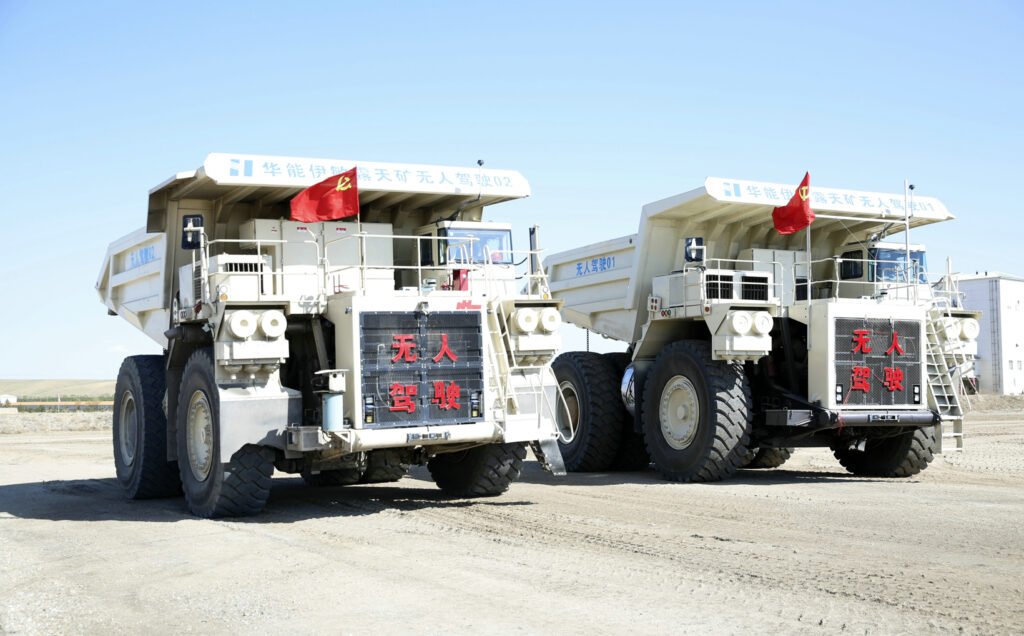
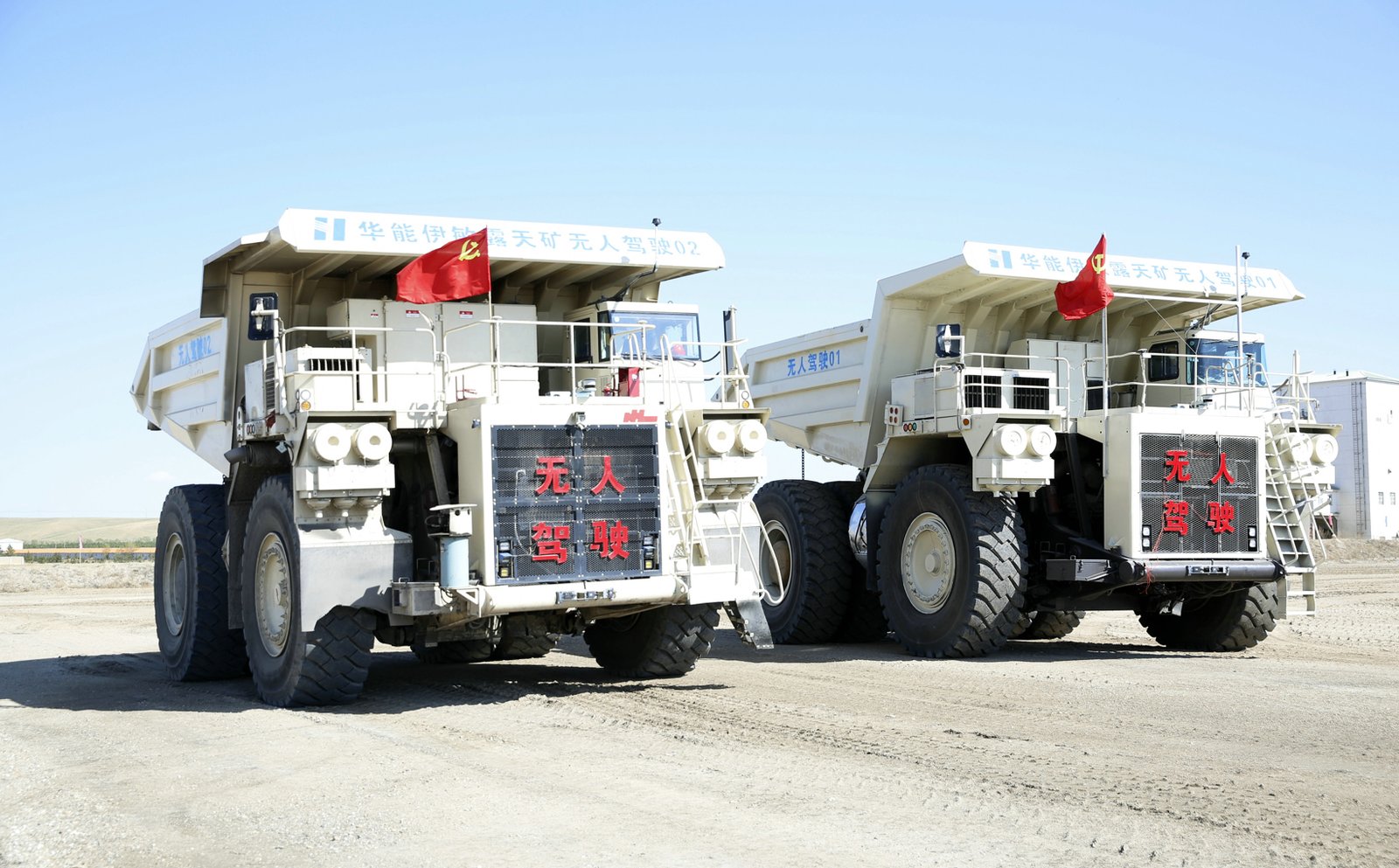
Oct.12th: Baidu Apollo and Huaneng Yimin Coal and Power Company formally show the results of autonomous driving demonstration application of mining trucks to the public, which will accelerate the industrial process of unmanned application in mines. The autonomous driving mine truck was firstly put into use by Baidu Apollo in Yimin Open Pit Mine. It has already achieved automation operation efficiency equivalent to manual levels, a big step towards implementation of unmanned transportation in mines. This is the first domestic case of a single-vehicle intelligent solution for mining scene, it is also first in China to realize mixed operation of manually driven vehicles and fully autonomous driving vehicles.

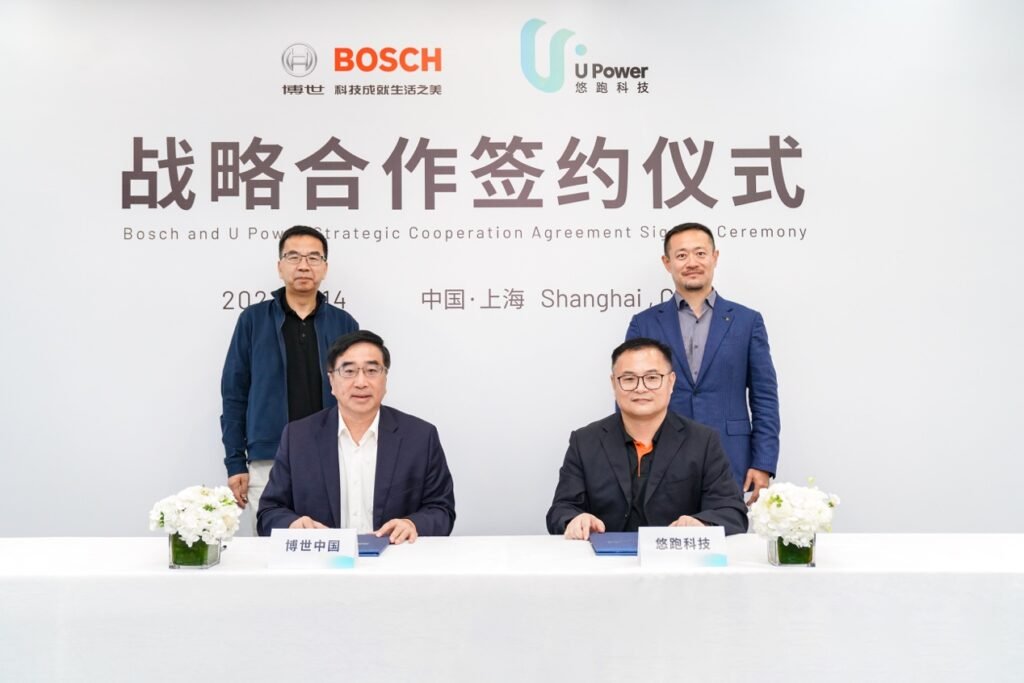
Oct.14th: UPower and Bosch China reached a strategic cooperation, the two sides will start a series of technical cooperation in the field of integrated chassis, supporting the development of “UP Super Chassis”. During the signing ceremony, Bosch’s Bogen Capital announced that it had completed the Pre-A+ round of financing for UPower. This is the third round of financing obtained in the past five months, since the founding of UPower, and the first investment after the establishment of Bogen Capital.

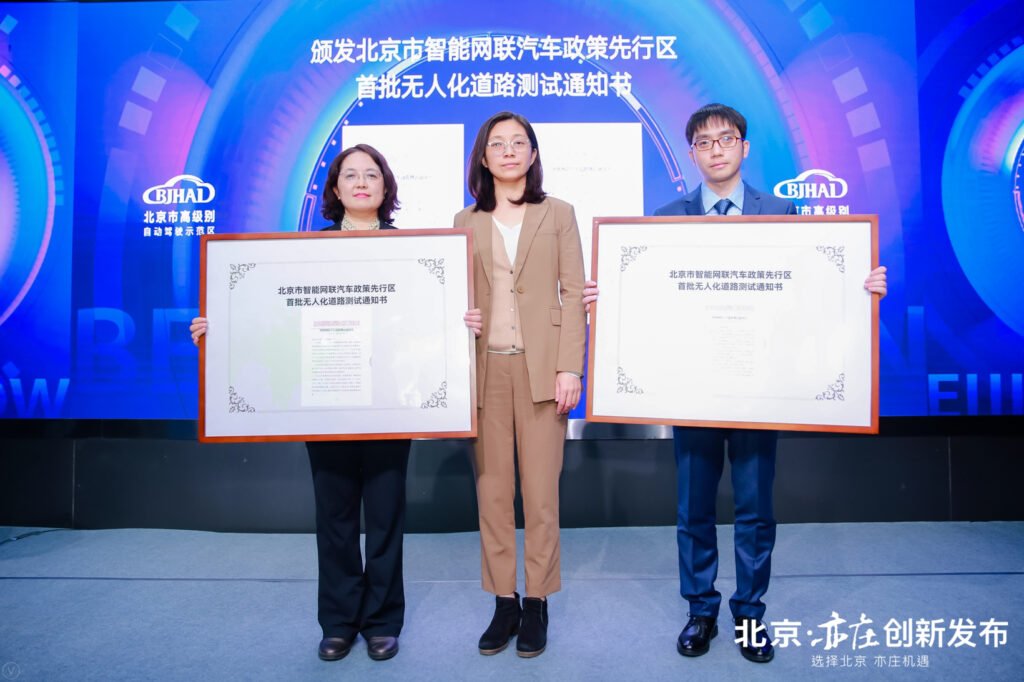
Oct.15th: The Beijing Intelligent Networked Vehicle Policy Pilot Zone is officially open for autonomous driving test, and both Baidu and Pony.ai launched AV testing in the Pilot Zone. The autonomous driving testing area include 100 km of city roads within 20 sqm of Beijing Economic and Technological Development zone, while test companies will avoid the morning and evening rush hours.

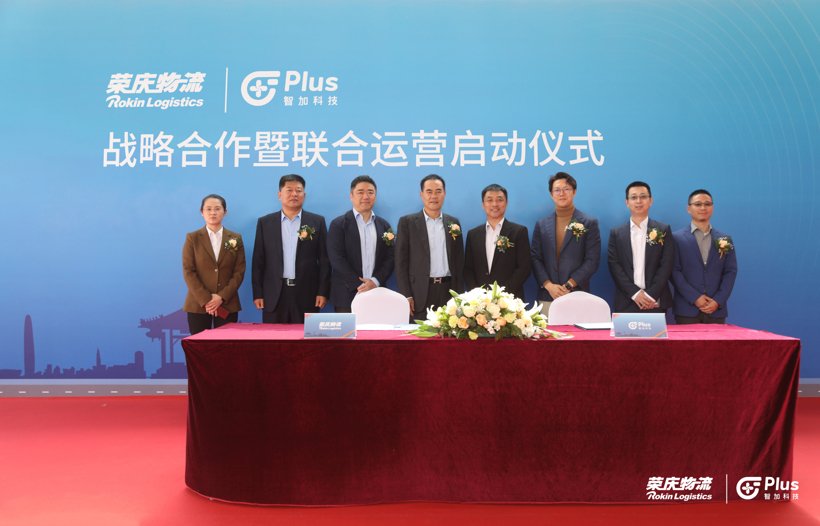
Oct.19th: Plus.ai signed a strategic cooperation agreement with Ronkin Logistics. The two sides started joint operation, opening a mass production intelligent heavy truck operation line. Plus.ai has already received an order from Amazon for 1000 sets of PlusDrive system, for the US market. Therefore Plus.ai is targeting both Chinese and US market to reach mass production. At present, China’s heavy truck market is about 8 million, and the transportation cost of main trunk lines is about RMB 3 trillion, of which the highest proportion is labor cost and oil cost respectively. Autonomous driving is expected to bring huge cost savings and significant commercial value.

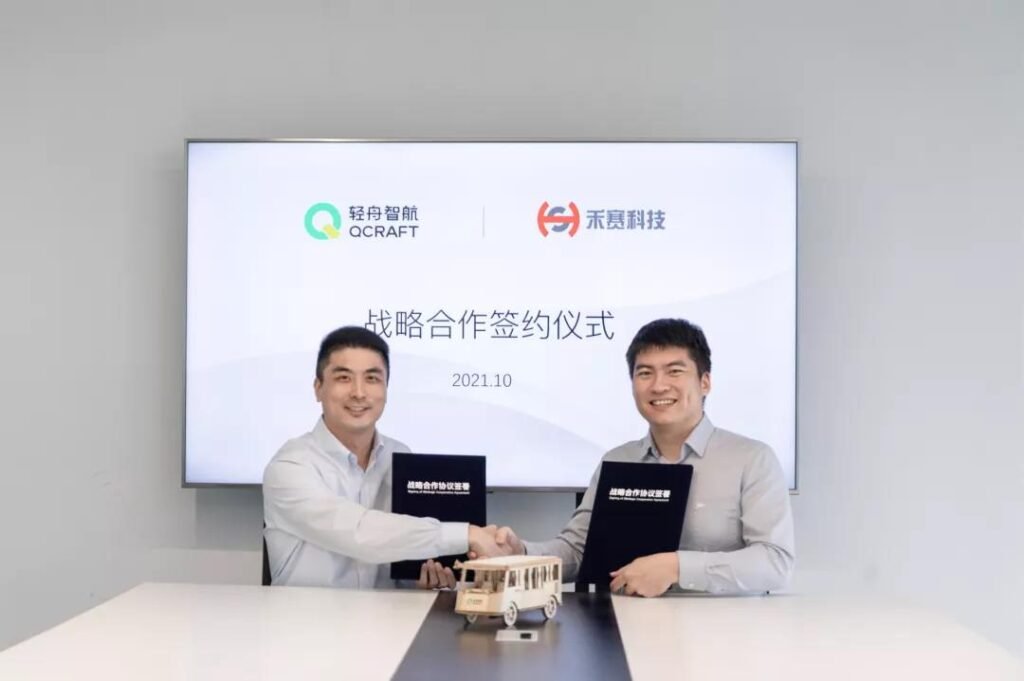
Oct.20th: LiDAR company HESAI and autonomous driving company Qcraft announced that the two sides have officially reached strategic cooperation. Lu Wei, Vice President of Global Business Development at Hesai, together with Da Fang, co-founder and Chief Scientist at Qcraft, signed the strategic cooperation in Beijing. According to the agreement, Hesai will join the super factory partner circle of Qcarft autonomous driving and provide its LiDAR products. The two sides will carry out cooperative exploration around the R&D iteration of autonomous driving technology, vehicle road coordination and additional business scenarios.

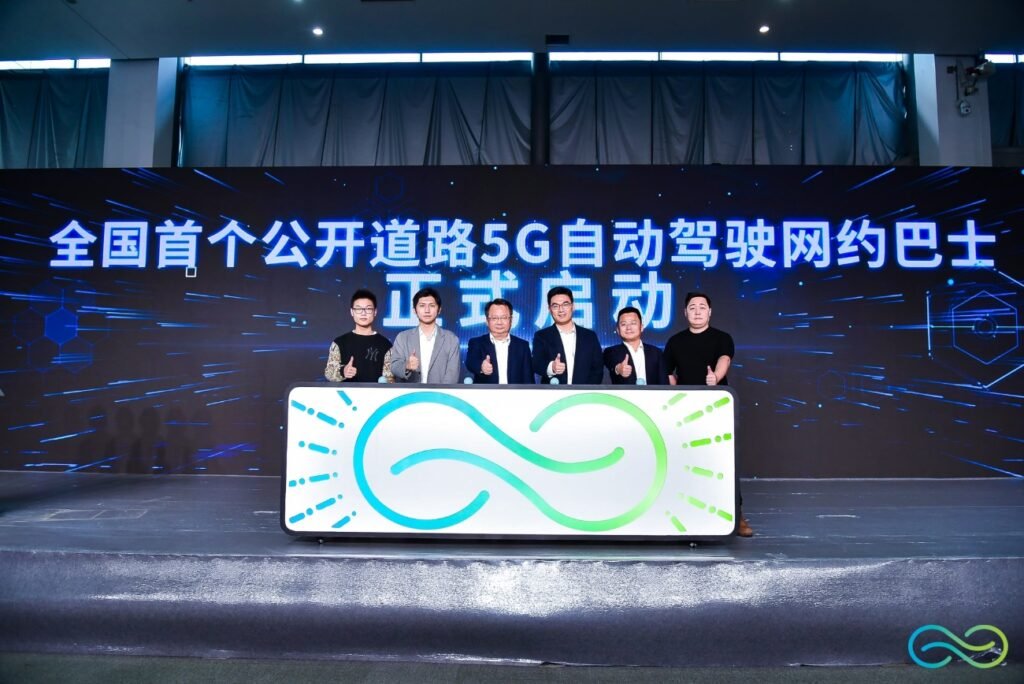
Oct.23rd: Qcraft and Wuxi Xuelang town future park jointly released the district’s first open road 5G autonomous driving network bus, announcing that it would start normal operation of three microcirculation bus lines in the core CBD area of Wuxi, so as to provide safe and convenient connection services for citizens’ daily commuting. “5G autonomous driving network bus has innovatively combined microcirculation bus, fixed-point connection, network bus and other modes, successfully explored and developed Robobus’s new business model, and broken the boundary between Robotaxi and Robobus.” Yu Qian, co-founder and CEO of Qcraft, said at the press conference.

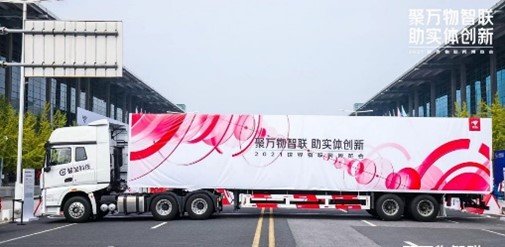
Oct.23rd: Plus.ai and JD signed a framework agreement in Beijing. Based on the R&D advantages of Plus.ai in autonomous driving tech and the strength of JD in IoT and smart city tech, the two sides will carry out a series of activities in the field of intelligent transportation to promote the development and commercial operation of autonomous driving systems.

Plus.ai and JD

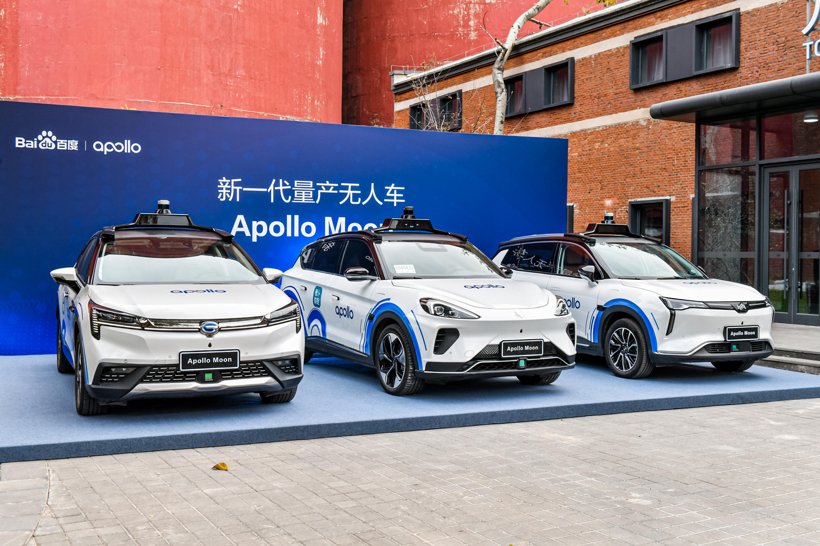
Oct.28th: Baidu announced that Apollo Moon has been officially put into operation in Beijing Shougang Park, with a first batch of five Apollo Moon Extreme Fox Edition. Apollo Moon is the 5th generation of Baidu Apollo L4 autonomous driving mass production model, equipped with 13 cameras, 5 millimeter wave radars and 2 LiDARs. It has self-checking and self-cleaning functions to ensure safe driving in complex weather and complicated urban road conditions.

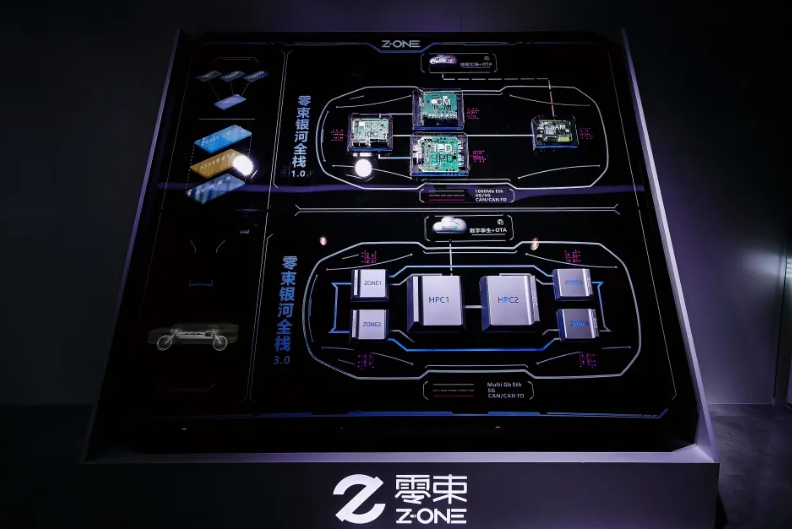
Oct.29th: SAIC announced the establishment of “Z-ONE Technology Co” with registered capital of RMB 3.7 billion. As the main carrier for SAIC Group to realize “data determines experience, software defines car”, Z-ONE focuses on building a full-stack technology solution for smart car cloud management end integration, including centralized electronic architecture, cloud management end integration SOA software platform, OTA+ network security, smart car data workshop and cross-domain fusion end-to-end digital experience products.

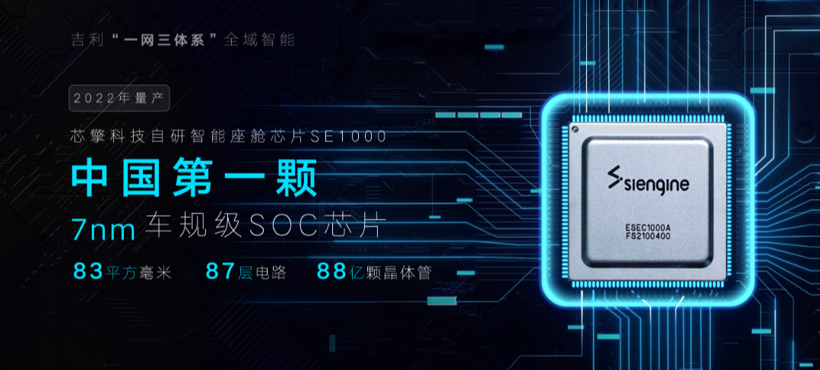
Oct.31st: Geely announced that its self-developed smart cockpit chip SE1000, which adopts a vehicle-grade 7nm process, will be officially mass-produced next year after completing vehicle-grade certification, which will become China’s first vehicle-grade SOC chip with a 7nm process. “This chip, only 83 square millimeters, is integrated with 87 layers of circuitry and 8.8 billion transistors, which are lit at once,” said Gan Jiayue, CEO of Geely Automobile Group.

Sources: Gasgoo; EqualOcean; WM motor; ASensing; Baidu; Qcraft; SAIC;

Leave a Reply